

Ultimately, well-designed internal controls over cash not only protect assets but also support sound financial management and stakeholder confidence. Businesses need to implement cash control procedures for cash balances, cash receipts, and cash disbursements to avoid a valuable liquid asset’s misappropriation. Cash is one of the most liquid and vulnerable assets in any organization, making it a prime target for theft, fraud, and mismanagement.
A. Segregation of Duties

For example, petty cash or blank checks should be kept in a locked compartment with limited access, and only authorized workers should have the combination or key. I conducted a survey of small businesses around my area – cafes, a dance school, local restaurants – not one business used petty cash tins any more! They are being phased out of existence as our cash becomes more of an electronic item instead of a physical item. Not only are cameras strategically placed throughout the store to prevent shoplifting and crime by customers, but cameras are also located over all areas where cash changes hands, such as over every cash register.
What are Cash Controls in Business Financing?
Most transactions in Australia now happen within minutes, with some taking one or two days. This risk is especially significant given that, in 2022, cash receipt fraud accounted for 23% of all workplace fraud. What’s more, it took companies an average of 15 months to cash control uncover that fraud — every second of which can cause further damage to a company’s bottom line and reputation.

Basic internal control procedures for cash
- Having different people receive cash, prepare the transmittal, and reconcile the ledger sheets attain this.
- These controls should cover all aspects of cash handling, from receipt to disbursement and reconciliation.
- Now these fees are a common cost of doing business and consumers have shown a preference for businesses that accept electronic payments for even the smallest of items.
- Your cash management control should help you plan the timing of cash coming in and flowing out through detailed accounting records.
- A second authorized employee must do this cash count and reconciliation to achieve the segregation of duties for internal control over cash.
- Though many organizations try to avoid keeping cash on hand, sometimes it’s necessary.
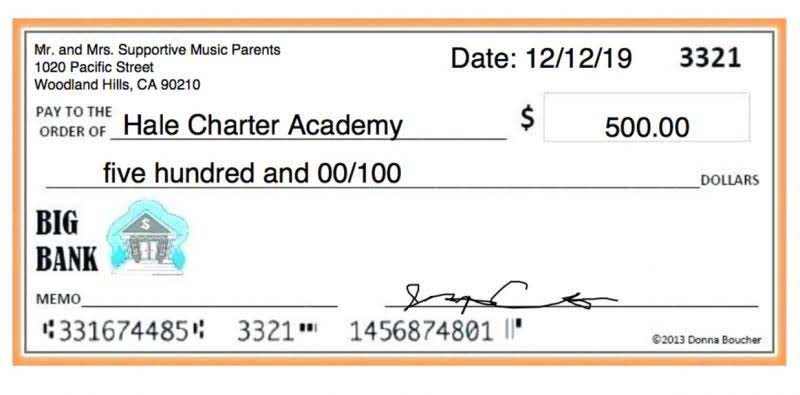
Cash is the lifeblood of any business – without receiving cash from sales, a business would not be able to pay their suppliers or employees. Therefore, one area where businesses should have strong internal controls is around the handling of cash – both coming into the business and going out. Prior to electronic funds transfers, to try and minimise employees stealing cash, businesses often had an internal control that required all payments to be made by cheque. Australian financial institutions have been phasing out cheques for the last decade. Implementing comprehensive internal control procedures is critical for effective cash management.
- She is a former CFO for fast-growing tech companies with Deloitte audit experience.
- Cash receipts also relate to asset sales, including investments or property and equipment sales.
- Organizations may limit the amount of cash on hand, double-check cash counts, or even separate who collects and counts it, all of which are vital ways to make cash handling more secure.
- Put the organization’s cash in a secure cabinet or box with limited access (or, better yet, a drop safe).
- At the end of the week – you check how much physical cash is left in the petty cash tin, add in the value of the receipts – and it should match the cash you put in there originally.
- This allows each person to serve as a control over the others, catching mistakes and preventing the misappropriation of funds.
- Effective internal controls over cash are essential to safeguard these assets, ensure the accuracy of financial records, and maintain the integrity of financial reporting.
Now these fees are a common cost of doing business and consumers have shown a preference for businesses that accept electronic payments for even the smallest of items. The second control is around the access to cash – cash is the area in any business where there are likely to be more controls because it is easy to steal physical cash. Within a supermarket, each employee has his, her or their own cash drawer with a set amount of cash. At any time, any employee can reconcile the sales recorded within the system to the cash balance that should be in the drawer. This reconciliation or “closing out” process is often done at the end of every shift. If access to the Cash Flow Statement drawer is restricted to one employee, that employee is responsible when cash is missing.
- These controls ensure well-intentioned employees won’t accidentally misrepresent cash flow and that bad actors can’t fly under the radar while committing cash fraud.
- RiskOptics ROAR allows you to deliver due diligence polls, save submitted questionnaires, check status, and give a risk score based on replies.
- Ensure all monetary transactions have been approved, accounted for, and adequately documented.
- This should be checked to ensure that only authorized personnel can access cash.
Maintaining Controls in a Remote or Hybrid Work Environment
Organizations should follow policies around spending and approval limits and authorized approvers. Though many organizations try to avoid keeping cash on hand, sometimes it’s necessary. In order to protect yourself with regards to cash collected, it is important to implement good internal controls within your organization. In countries like the USA, cash and cheques (which they call “checks” in the US spelling) are still widely used.
- Both of these controls are falling out of use as businesses move away from physical cash and electronic funds transfers are becoming instantaneous with improvements in the banking system.
- But understanding the internal control procedures for different types of cash handling can help you create or strengthen systems that will suit your business.
- Cash is the lifeblood of any business – without receiving cash from sales, a business would not be able to pay their suppliers or employees.
- Safeguarding your organization’s cash flow could make or break your yearly financial gains.
- It’s about protecting the organization from costly fraud and the reputational damage that can come with it.
Internal control over cash improves as a business grows and increases its accounting team’s size to assign separation of duties in cash handling and recording cash transactions in the accounting records. Bank reconciliations are a more critical control in countries that still net sales have a high usage of physical cheques like in North America. The ultimate goal is to determine if the cash and credit/debit card transactions equal the amount of sales for the shift. For example, if the shift’s register had sales of $800, then the documentation of counted physical cash plus electronic credit/debit card payments should also add up to $800. When a merchandising company sells its merchandise inventory, it may receive cash immediately or several days or weeks later. A clerk receives the cash immediately over the counter, records it, and places it in a cash register.
